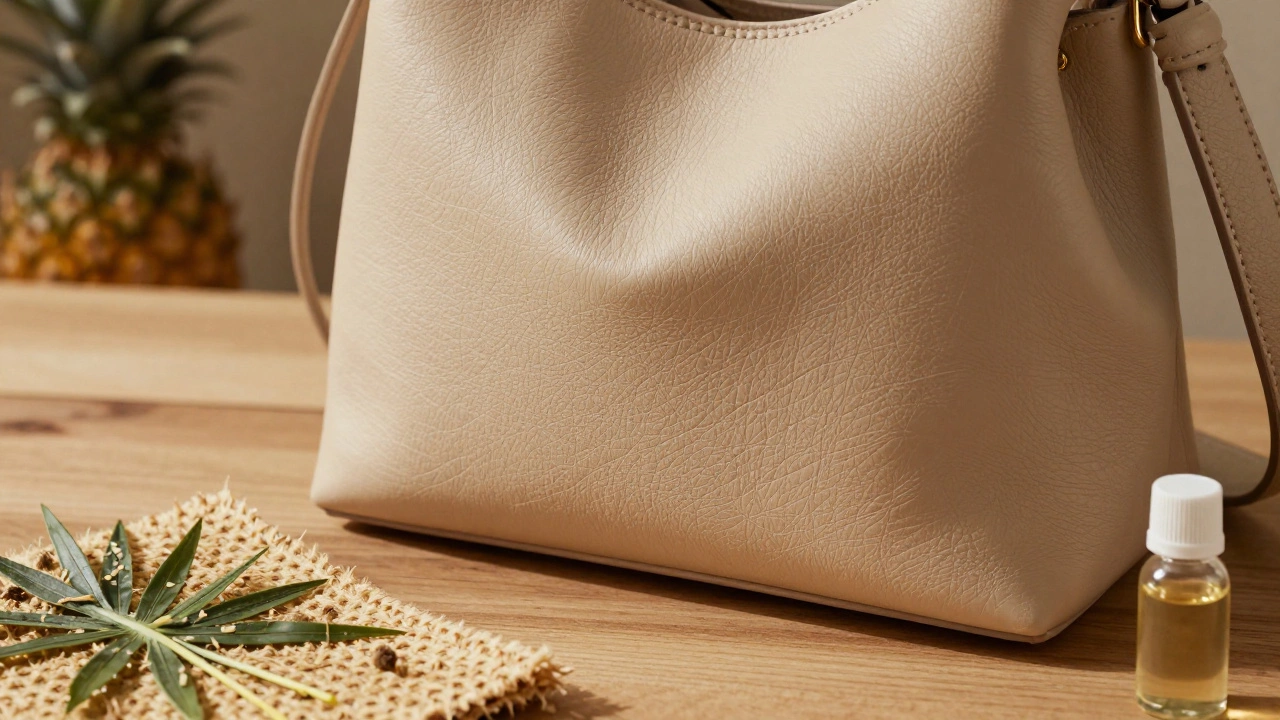
Real leather has long been the gold standard for shoes, bags, and jackets - but it comes with a heavy moral and environmental cost. Millions of animals are raised and slaughtered each year just for their skin. At the same time, traditional tanning uses toxic chemicals that pollute waterways and harm workers. That’s why more people are turning to vegan leather - a material that mimics the look and feel of animal hide without using any animal products. But is it truly better? Or is it just another form of greenwashing?
If you’re curious about alternatives in luxury lifestyle services, you might also come across escort pa listings in Paris - a world where appearance, presentation, and perception matter just as much as in fashion. But while one industry trades on image, another is trying to redefine what sustainability actually means.
What exactly is vegan leather?
Vegan leather isn’t one single material. It’s a catch-all term for any synthetic or plant-based fabric designed to look and feel like animal leather. The most common types are made from polyurethane (PU), polyvinyl chloride (PVC), and newer innovations using pineapple leaves, mushroom mycelium, apple peels, and even cactus fibers.
Unlike real leather, which starts as a cowhide and goes through a harsh chemical tanning process, vegan leather is typically created in a lab or factory. PU-based vegan leather, for example, is made by coating a fabric base - often polyester or cotton - with a plastic layer. This gives it durability and a glossy finish that’s hard to tell apart from the real thing at first glance.
How is it made? The real process behind the hype
Not all vegan leathers are created equal. The cheapest versions are made from PVC, which is petroleum-based and releases dioxins during production and disposal. These are the ones you’ll find in fast-fashion stores - thin, brittle, and prone to cracking after a year or two. They’re not sustainable. They’re just animal-free.
Higher-end vegan leathers use PU instead of PVC. PU is less toxic to produce and doesn’t off-gas as much. It’s also more flexible and lasts longer. Brands like Stella McCartney and Allbirds use PU blends that are 50% recycled content. That’s a step forward.
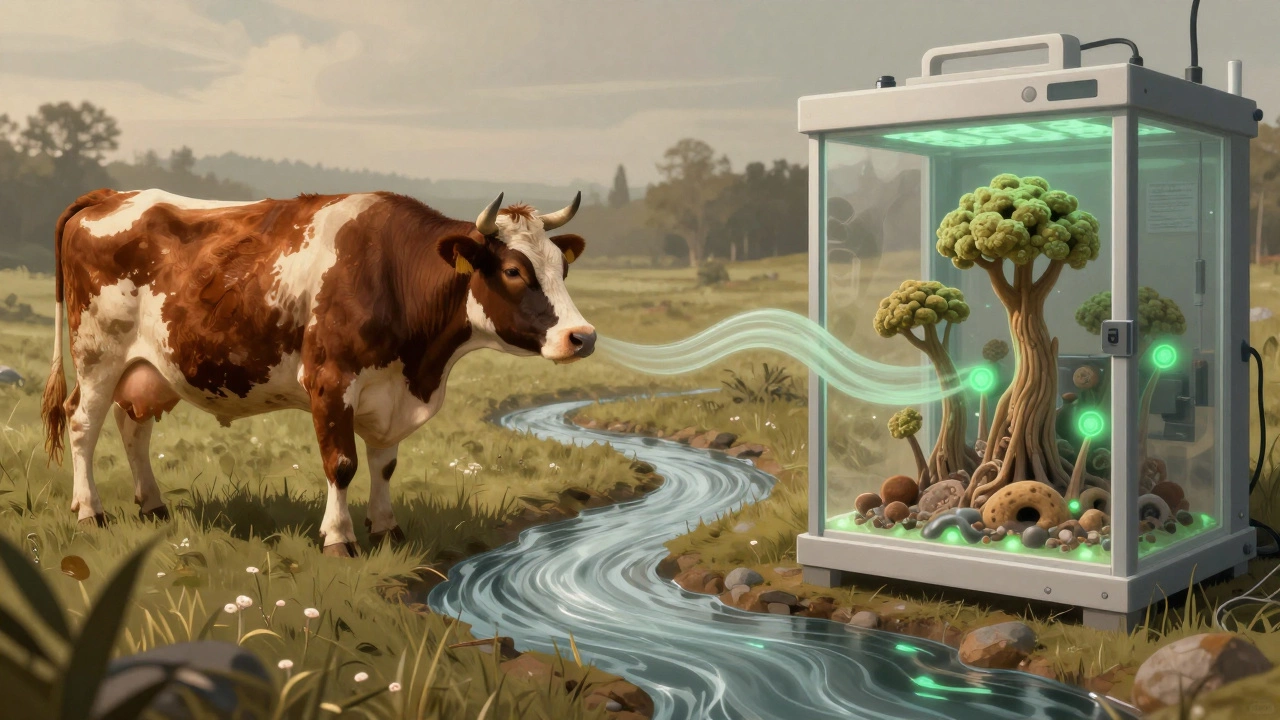
Then there are the bio-based options. Piñatex, made from pineapple leaf fibers, is a byproduct of the fruit industry - meaning no extra land, water, or pesticides are needed. Mylo, made from mushroom roots grown in controlled environments, uses 90% less water than cow leather and emits 80% fewer greenhouse gases. These aren’t just alternatives - they’re regenerative materials.
Is vegan leather really more sustainable?
Here’s the tricky part: even the best vegan leathers are still plastic-based. That means they don’t biodegrade easily. A PU leather bag might last five years, but when it’s thrown away, it can sit in a landfill for hundreds of years. That’s not zero-impact.
Compare that to real leather. Yes, it comes from animals. But if sourced from grass-fed cattle raised on pasture (not factory farms), the environmental cost is lower than you’d think. The hides are a byproduct of the meat industry - so they’re already being produced. Tanning them with vegetable-based methods (like oak bark or olive leaves) instead of chromium makes a huge difference.
So the real question isn’t “animal vs. synthetic.” It’s “what kind of animal? What kind of synthetic?”
For now, the most sustainable choice is: buy less, buy better. Choose a vegan leather product made from recycled or bio-based materials - and take care of it so it lasts. Or, if you’re open to it, buy a well-made, vegetable-tanned leather item from a transparent brand that pays fair wages and avoids toxic chemicals.
How does it compare to real leather?
Let’s break it down side by side:
| Factor | Vegan Leather | Real Leather |
|---|---|---|
| Source | Plastic (PU/PVC) or plants (pineapple, mushroom) | Animal skin (cow, pig, sheep) |
| Water use | Low to moderate (depends on material) | Very high (up to 15,000 liters per kg) |
| Carbon footprint | Low (bio-based) to high (PVC) | High (methane from livestock) |
| Biodegradability | Mostly no (plastic-based) | Yes (if untreated) |
| Longevity | 2-7 years (varies by quality) | 10-30+ years (with care) |
| Price range | $20-$300 | $100-$1,000+ |
Real leather wins on durability and repairability. A good leather jacket can be resoled, re-dyed, and reconditioned. Most vegan leather can’t be repaired - once it cracks, it’s done.
But vegan leather wins on ethics and innovation. No animals are harmed. And new materials like mycelium leather are already being used by luxury brands like Hermès and Lululemon - proving it’s not just for eco-hippies anymore.
What should you look for when buying vegan leather?
Not all labels are trustworthy. Here’s how to spot the real deal:
- Check the material name. Avoid “PVC.” Look for “PU,” “Piñatex,” “Mylo,” “AppleSkin,” or “Cactus Leather.”
- Look for certifications: Global Recycled Standard (GRS), OEKO-TEX, or Cradle to Cradle.
- Ask about the binder. Some PU leathers use water-based polyurethane instead of solvent-based - that’s better for air quality.
- Don’t trust “eco-leather” or “green leather” without proof. Those are marketing terms, not standards.
- Buy from brands that publish their supply chain. Transparency matters more than buzzwords.
Some standout brands right now: Matt & Nat (recycled PET and PU), Dr. Martens (vegan line with recycled materials), and Veja (uses cactus leather in some sneakers). They’re not perfect, but they’re moving in the right direction.
What’s next for vegan leather?
The future isn’t just about replacing leather - it’s about rethinking materials entirely. Scientists are growing leather from cells in labs, without animals. It’s called “cultivated leather,” and it’s already being tested by companies like Modern Meadow.
Meanwhile, algae-based dyes are replacing toxic pigments. Bioplastics made from seaweed are being used as coatings. Some startups are even creating leather from kombucha SCOBYs - the same gooey culture used to make tea-based probiotics.
These aren’t sci-fi fantasies. They’re real products in development. And they’re being funded by investors who know the next big thing in fashion won’t come from cows - or plastic.
One thing’s clear: the era of cheap, disposable fashion is ending. Whether you choose plant-based, lab-grown, or responsibly sourced animal leather, the goal is the same - make fewer things, make them better, and keep them longer.
And if you’re ever in Paris and find yourself wondering where to get a truly unique experience, you might stumble across an escorte girl paris 8 - a reminder that even in luxury, perception shapes value. But in fashion, what’s underneath the surface matters more than ever.

Can vegan leather be stylish?
Absolutely. High-end designers have embraced it. Chanel uses vegan leather in its 2024 handbags. Gucci’s off-the-radar vegan sneaker line sold out in 48 hours. Even luxury department stores like Saks and Nordstrom now have dedicated vegan leather sections.
And the texture? Modern vegan leathers can mimic the grain, the softness, even the slight imperfections of real hide. Some are hand-finished with wax or oil to give them a lived-in look. You won’t know the difference unless you’re told.
What’s changed is the mindset. People don’t want to sacrifice style for ethics anymore. They want both. And the market is finally catching up.
Common myths about vegan leather
- Myth: Vegan leather is always cheaper. Truth: High-quality bio-based vegan leather often costs more than low-end real leather.
- Myth: It’s all plastic and toxic. Truth: Many newer versions are water-based, recyclable, and free from phthalates.
- Myth: It doesn’t last. Truth: A well-made PU or mycelium bag can easily last 5-7 years with proper care.
- Myth: It’s only for vegans. Truth: Most buyers are non-vegans who care about sustainability, animal welfare, or simply like the look.
One of the biggest surprises? Many people who buy vegan leather don’t even know it’s vegan. They just think it looks cool.
Final thoughts: Is it worth it?
There’s no perfect material. But there are better choices.
If you’re committed to reducing harm - to animals, to workers, to the planet - then vegan leather made from plants or recycled materials is the smartest option available today. It’s not flawless, but it’s evolving fast.
And if you’re still unsure? Start small. Buy a vegan leather wallet instead of a full bag. Try a pair of vegan boots before investing in a jacket. See how it feels. See how long it lasts.
Because in the end, the most sustainable thing you can do isn’t choosing between leather and vegan leather. It’s choosing not to buy something you don’t need.
And if you’re ever looking for something more personal in Paris, you might find yourself drawn to escorts à paris - a world built on desire, image, and fleeting moments. But fashion? That’s something you wear every day. Make sure it’s worth it.
